

Move over no-knead bread, there’s a new sheriff in town: Yohan Ferrant, developer of the do-nothing method.
Back in November of 2006, The New York Times published The Secret of Great Bread: Let Time Do the Work by Mark Bittman, celebrating Jim Lahey’s “no-knead” method. It was modified here with new measurements and then, in May 2021, Kenji Lopez-Alt’s version, Updated No-Knead Bread Recipe was published along with a really informative article, How The No-Knead Bread Recipe Changed Baking. This one, though, isn’t low-knead or no-knead (which involves stretch and folds), it’s just mix, rest, shape and then bake.
I bake more yeast breads than sourdough. Mostly because I don’t really like sourdough, will never make things with the discard, and also because I grew tired of keeping it active. This is the only sourdough I make now. To keep my starter active, I add equal amounts flour and water to 60g of leftover starter, with 60g flour and 60g water. Next morning, I make the loaf with 90g starter. Toss 30g and I’m back to 60g to feed.
For example:
60g starter + 60g water + 60g flour = 180g starter
Use 90g starter for the bread, toss 30g = 60g starter
The night before you bake again, feed the 60g starter with 60g water + 60g flour, as above.
Repeat!
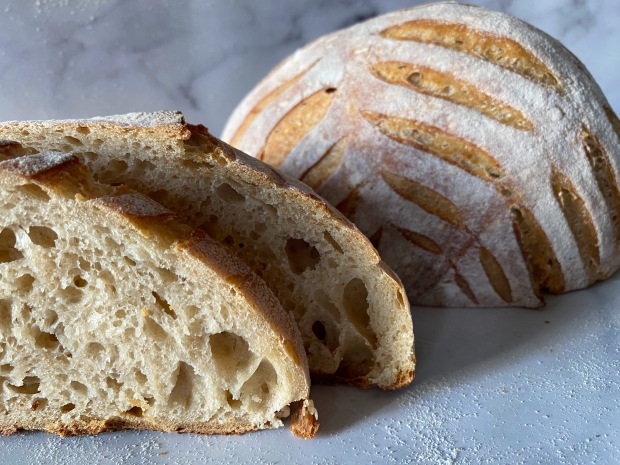
There hasn’t been as much fan-fare around Yohan Ferrant’s do-nothing method, and I couldn’t find an original posting from him, just a lot of chatter about it on baking blogs. So, I checked out his Instagram feed, and finally came across a reel of him demonstrating how to make it. I’m listing the ingredients, but not a lot of detailed instructions, because, well, there aren’t any!
Instagram link here.

Place a bowl (or the bowl of a stand mixer) on your scale and add ingredients in the order listed below.
- 6g salt
- 255g warmish water
- 90g active sourdough starter (fed the night before)
- 250g bread flour (Optional: minus 1 Tbsp + 1 Tbsp vital wheat gluten)
- 50g rye
- 50g whole wheat
Mix with the handle of a wooden spoon (or with the paddle attachment), scrape sides down, flatten with wet fingertips, then cover and let rest for 12 ~ 24 hours, or until doubled in size and bubbly on top. The temperature of the room makes a difference, if it is 70 degrees, or thereabouts, it could take about 14 hours.
I like to put the dough into a straight-sided container, because then it is easier to tell when it has doubled in size.

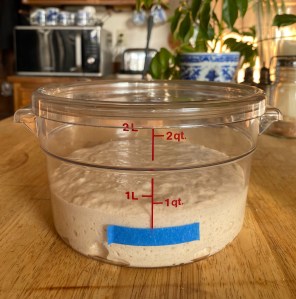
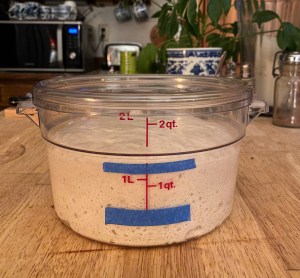
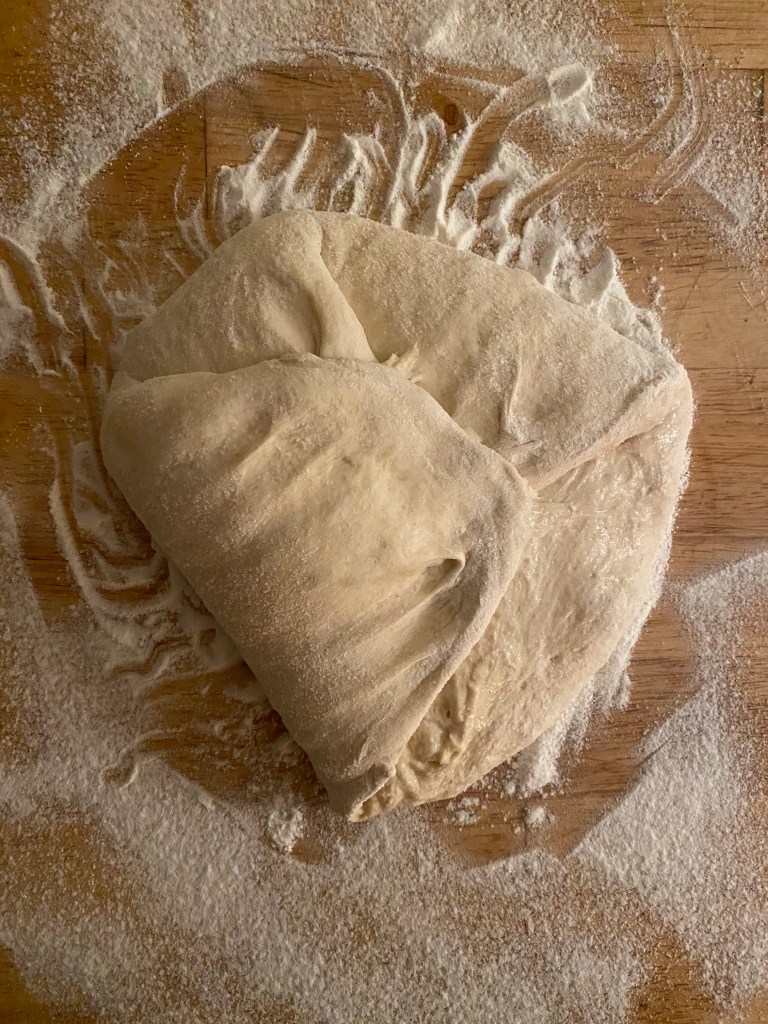
Shape dough by lifting a side, stretching it out a bit and folding it over. Flip it, then round it into a ball or an oval. If you’re resting it overnight in the fridge, place it in a banetton and cover.



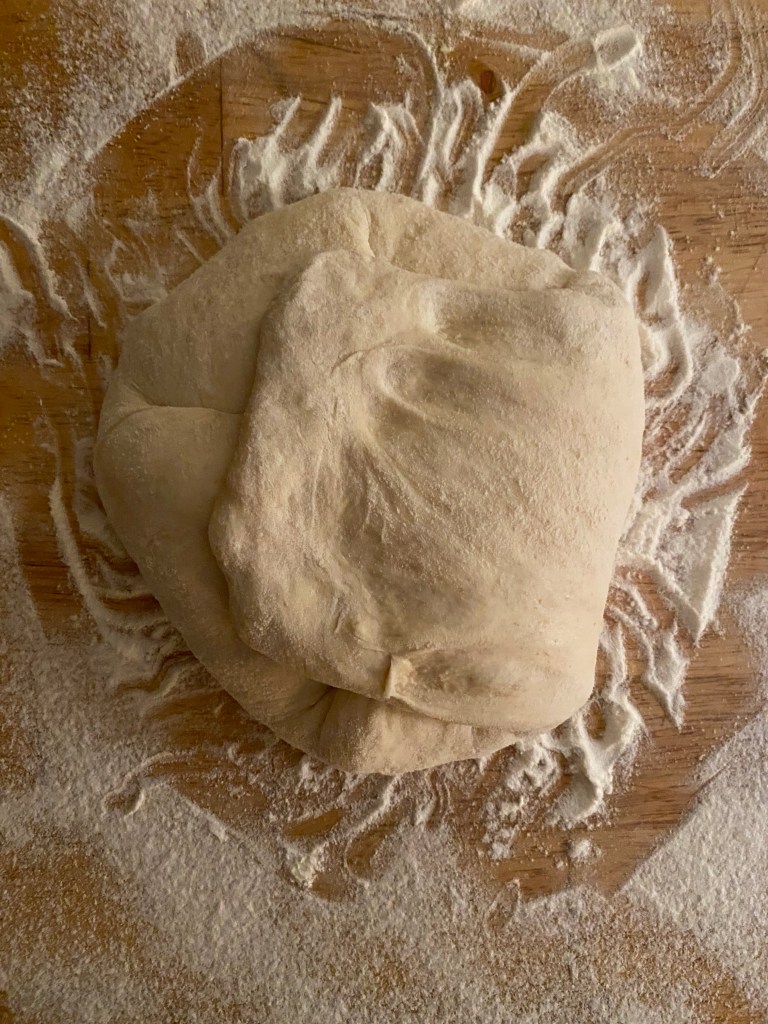
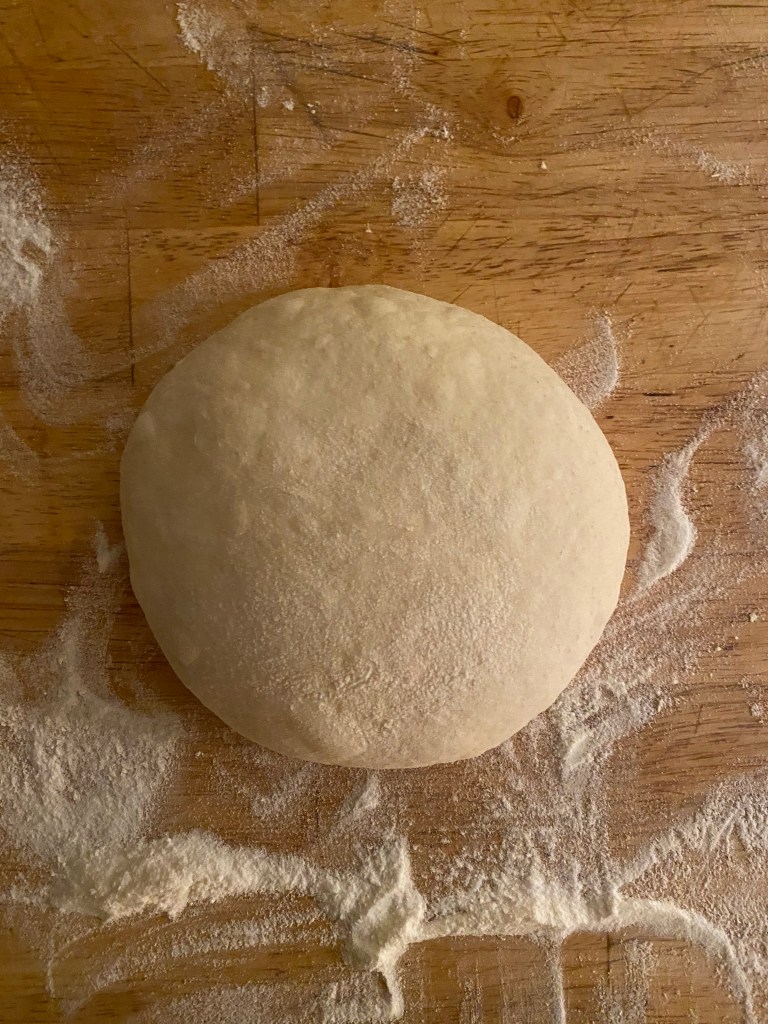
Bake in a Dutch over 450 for 20 minutes, then 20 more uncovered.

Yohan Ferrant demonstration at the Quest for Sourdough workshop in St. Vith, Belgium.


bonny! Scientists Create Artificial Photosynthesis System 2025 adorable